
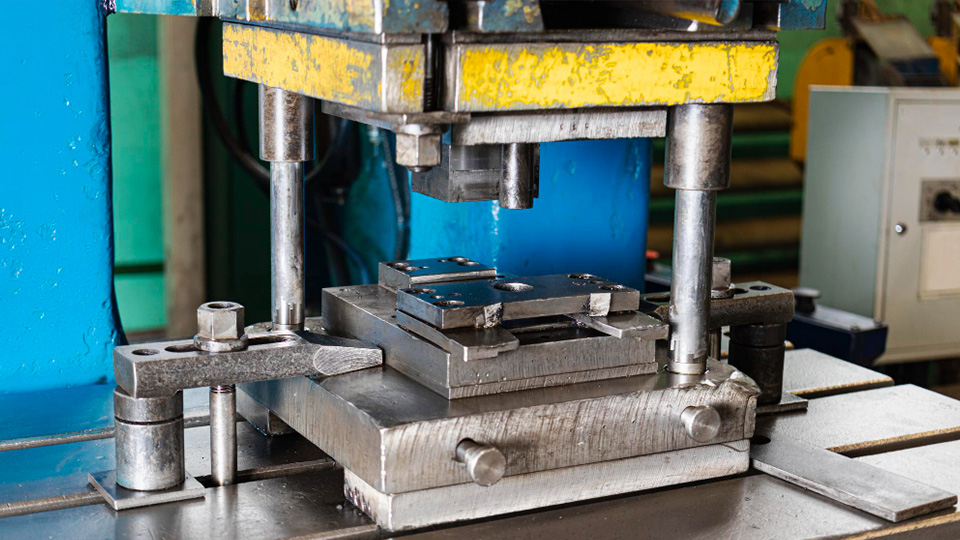
Press tool design and manufacturing
Press tool design and manufacturing involves the meticulous process of crafting tools used in metalworking and manufacturing, primarily for pressing or forming operations. These tools are essential for creating various products in industries ranging from automotive to aerospace. Skilled engineers and designers utilize computer-aided design (CAD) software and precision machining techniques to create press tools tailored to specific production requirements. The design phase entails careful consideration of factors such as material properties, tool geometry, and production volumes to ensure optimal performance and longevity of the tool. Once designed, manufacturing involves the precise fabrication of components using techniques like milling, grinding, and heat treatment to achieve the desired tool functionality and durability.
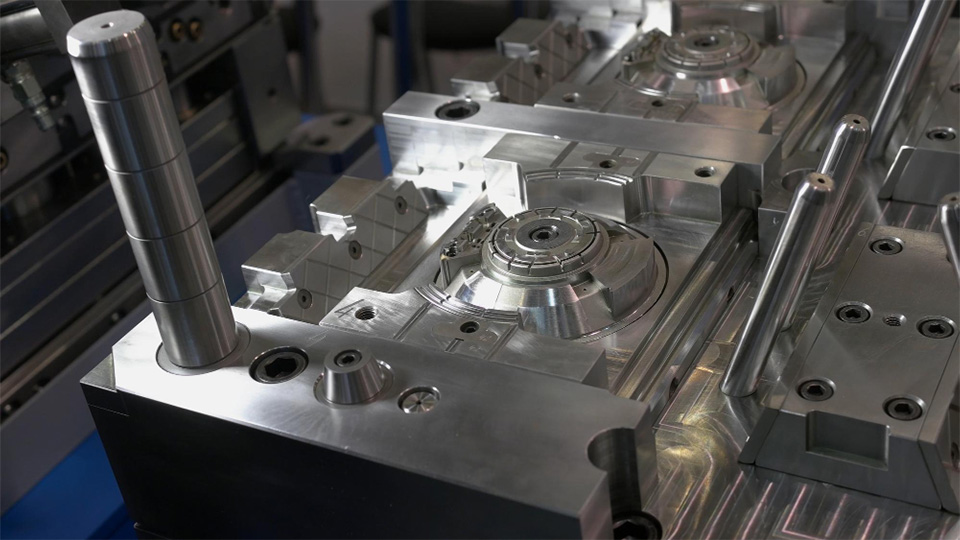
Die set manufacturing
Die set manufacturing is a specialized field within metalworking that focuses on producing die sets, essential components in processes like stamping, punching, and forming metals into desired shapes. These sets typically consist of upper and lower sections, often crafted from high-strength materials such as tool steel. Skilled craftsmen employ various machining methods, including milling, drilling, and grinding, to fabricate die components with tight tolerances and smooth finishes. Die sets are crucial for achieving precise and repeatable results in mass production environments, making their manufacturing a critical aspect of industries such as automotive, appliance manufacturing, and sheet metal fabrication.
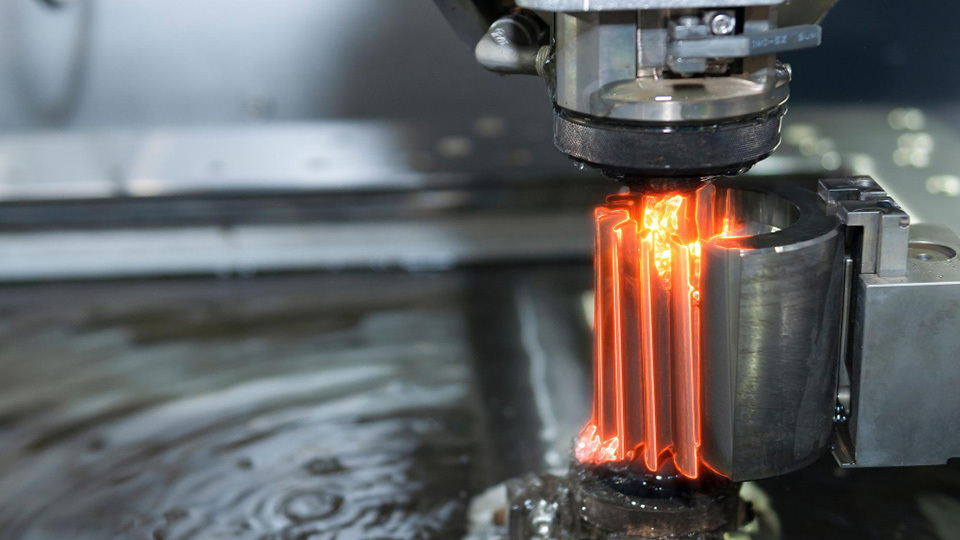
EDM wire cutting
EDM (Electrical Discharge Machining) wire cutting is a precise machining process used to cut intricate shapes in conductive materials, including metals and alloys, with exceptional accuracy. This non-contact method involves using electrical discharges between the cutting wire and the workpiece to erode material gradually. EDM wire cutting is particularly advantageous for creating complex parts with tight tolerances, intricate contours, and fine finishes, making it a preferred method in industries such as aerospace, medical device manufacturing, and tool and die making. Operators program the cutting paths using computer numerical control (CNC) systems, enabling the production of intricate components with minimal human intervention and high repeatability.